Featured
Posted in adventure, Driving Trips, Local or Hometown Travel, Travel

Traveling the Texas Hill Country to Enchanted Rock


Is it the Great Wall of China? I don’t think so!


Is it the fences of the Cotswolds in England? I don’t think so!

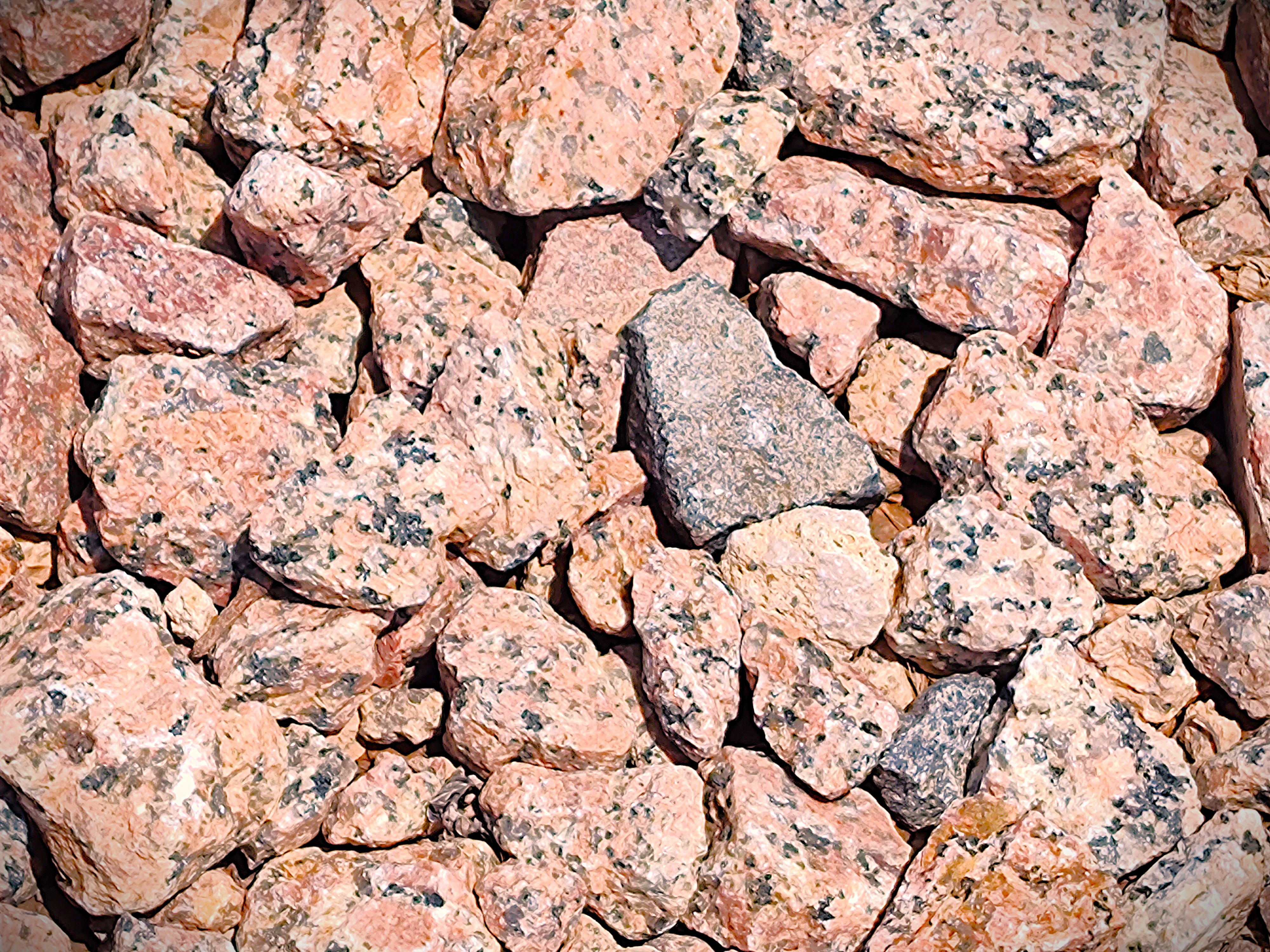
This rock wall intrigued me on our drive through the Texas Hill Country. We enjoyed wind on our faces in my husband Lynn’s Mazda Miata convertible. Lynn has walked part of the Great Wall of China that was built over centuries. Stone or soil mixed with gravel and pressed between two boards to dry created the wall. It separated countries, enemies, and trade routes.

I’ve visited the Cotswolds of England and found their honey-colored stone fences stacked without any sort of cement fascinating. Both countries built walls and fences out of rocks that surfaced from the soil. Both countries used naturally available materials. Their walls, fences, structures separated countries, property and livestock.

This rock fence on our ride was about 2 feet wide, 3-4 feet tall, and a mile or more long. I suspect it merely divided the property from the road as any typical fence would. It was one of a kind to my eye.

A DIFFERENT KIND OF FENCE

We smelled the wafting scent of cedar trees being burned from landscapes overrun by cedar trees because of a recent 3-6 inch rain that broke a drought somewhat and lifted burn bans. Historically cedar trees were crafted into roof shingles in this area. No longer used in shingles, the tree can still be stripped and set as fence posts side-by-side here or with barbed wire. An invasive species, cedar trees slurp up too much water from our soil and aquifer, leaving the area drier than ever and so must be cut from ranch land and burned. A burden, cost, and nuisance to land owners.
BIRDS AND ANIMALS

The thrill of the day however was spotting a roadrunner fly to a low-hung tree branch and roost there AND then spying two zebras close to the fence line next to the road on an exotic animal hunting ranch. Neither of which I could capture in a photo.

ROCK

Our destination was Enchanted Rock, located 21 miles north of Fredericksburg, a German community and shopping haven, and 26 miles south of Llano, Texas, the deer capital of the state. A granite rock erupts in the ground with little to no vegetation. The State park allows for picnicking, climbing, geocaching, nature studies, birding, and stargazing. Be sure to bring your protein snacks and plenty of water. Wear athletic shoes or hiking boots for climbing. A climb can be achieved in half a day. Beware of rattlesnakes!

When you drive TX-16 S and Ranch Rd 965 you understand why it is called the Texas Hill Country. Broad panoramas, rock walls, and lush green hills welcome you to the Texas Hill Country.

Featured
Posted in adventure, journal writing, Life-narrative, paying attention, Writing Classes, Writing Retreats, Writing Workshops

REACHING FOR AWE DURING THE APRIL 8 ECLIPSE

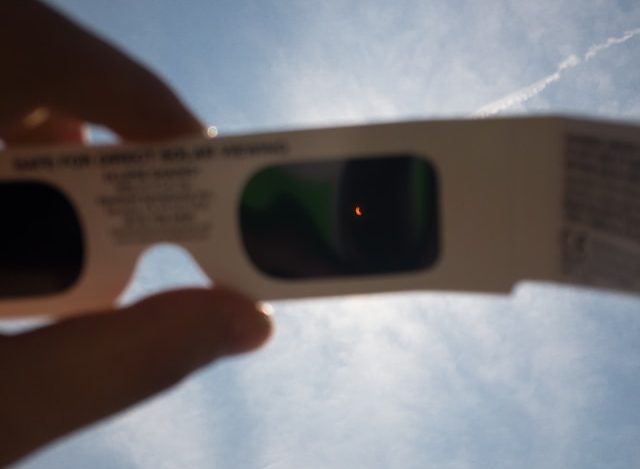
Would you like to enrich your experience of the total Solar Eclipse coming April 8? Can you envision the setting where you will wait for the eclipse? With whom will you share this once-in-a-lifetime (for most of us) phenomenon? How do we prepare to have a deeper, richer experience of the total eclipse? Have you set an intention for those four-plus minutes of total darkness, so you can allow the wonder and enchantment to wash over you?

That’s what we will explore this Saturday, March 16, from 2:00 to 4:00 at the Butt-Holdsworth Memorial Library here in Kerrville. Bring pen and paper or your journal to write with.

Awe occurs in a realm separate from the mundane world of material money, acquisition, and status symbols — a realm beyond the profane that many call the sacred. (Dacher Keltner in his 2023 book, Awe: The New Science of Everyday Wonder and How It Can Transform your Life)

I will be your facilitator. I propose a variety of writing prompts for you to discover the answer to some of these questions above. In addition, I offer hands-on guidance in what I call “stream-of-consciousness” journal writing. This will allow you to access those answers quickly and successfully. We will share our answers, gather ideas from each other, and leave with an intentional and mindful plan of action.

…there exists a magic crackle, a sacred thrum, found at the threshold between two states. Liminal space has its own tantalizing quality to it. … I believe there is more–untapped, unseen. I believe relentless reality breaks us, and magical wonder can make us whole. (Monica C. Parker in her 2023 book, The Power of Wonder: The Extraordinary Emotion That Will Change the Way You Live, Learn, and Lead)

You can let the eclipse be a “been-there-done-that” experience or you can enhance this grand encounter with nature by thoughtfully considering how to prepare yourself to experience it. Let’s do it together. There will be handouts. Bring pen and paper to write with you.

Featured
Posted in fiction, Fiction & Nonfiction Writing, Literary Community, Memoir writing, Novel writing, Travel Writers, Travel Writing

Okoboji Writers’ Retreat, Sept. 22-25

Want to take your writing to new dimensions? Want to learn from other writers to shorten your own learning curve? Want to rub shoulders with writers from the Washington Post or the New York Times? Want to generate a network of fellow writers interested in helping you grow as a writer?

If so, then the Okoboji Writers’ Retreat, September 22-25, welcomes you to a whatever–conference, retreat and workshop experience–you’ve been looking for.

Where or what is “Okoboji?” It is a lake and a town, a location in northwest Iowa. Though not a typical conference site like Chicago or LA, natural beauty invades the retreat site. Speakers often take their sessions outside on the lawns of the recreation site.

Check it out for its unique format, bevy of faculty members (50+), and variety of learning options.

I’ll serve on the cadre of speakers, as a travel writer, memoirist, and fiction writer. I’ll be a participant and faculty member for the first time. I’ve gotten acquainted with the organizer, Julie Gammack. because of pre-retreat zoom calls with speakers to be sure we understand the culture of this retreat. In one of those calls she told us (I’m paraphrasing) that she believes we (all people around the globe) need writers to make the changes needed in our world. I’m on board with that. The list of speakers illustrates the diversity in writing experiences they bring.

Other faculty members who have participated before indicate that it is three full days of fun exchanges between writers of all levels. Speakers attend as participants, as well. They are available for one-on-one networking, discussing direction for a participant’s next book, or coaching. “The meetings between meetings” can be valuable networking. Relationships have continued past the retreat as long term friendships and/or writing groups emerged during their time at Okoboji.

I can’t wait! Will you join me at Okoboji Writers’ Retreat September 22-25? Let me know if you too are registered, so $100 in your registration will be deducted from your fee.

Featured
Posted in journal writing, Memoir writing, Rolf Potts, Travel Writing

Memories That Can’t Be Caught on Camera

As I read Potts’ December 27 daily meditation last year (just a few days ago), it gratified my distain for the current culture trend to take photos of everything and everyone in them.

Rolf Potts writes in his book, The Vagabond’s Way, December 27, on page 377, “Make peace with the quiet banalities of domestic familiarity and let memories of past journeys blend with a dream of future ones.”

I’d rather muse over memories of past travels and allow them to blend with the anticipation of future journeys. Today, I recall trips where I could not have expected experiences to offer such magical memories, and I could not have captured the experience in a picture.

I often say, “I can’t remember to take pictures when I travel.” I also believe that photos cannot capture all the senses of significant memories: taste, touch, hearing, sight, smell (as exemplified in the photo above). Let me share some examples where the camera doesn’t do justice to the experience.

MEXICO
The thoughtfulness of a couple who invited my friends and me to their house after having just met us. The tete-de-tete conversations that were held and laughter peeling in their house. Their generosity to share their lives within the Mexican community as US expatriates, having lived in Mexico for over thirty years.

US GRAND CANYON Continue reading “Memories That Can’t Be Caught on Camera”

Featured
Posted in Craft of writing, Fiction & Nonfiction Writing, Revision, Scene Craft

Two Types of Writing Research & Two examples of each

INTRODUCTION
Discovery in writing happens in so many ways. All the different ways can be enlightening to the writer and in turn for the reader. Discovery may happen before, during or after writing a chapter, scene, or essay. Some are technical such as dialogue that’s culturally relevant or time frame that matches with the attire of characters, while others are artistic, such as voice, rhythm, pacing, or description.

TECHNICAL RESEARCH
Example #1: I love working with all of these means of discovery. Research to know what is happening in a particular time will create interest and/or relevance. For example, when I write about the 1970s I need to know the pop culture of the time. Through music, world events like Vietnam War, social events of protests.

Example #2: When I write about Cuba, I need to know about the cars that line the streets. Writing about a Ford Bel Air, instead of accurately a Chevy Bel Air, will make my writing suspect. And what if only a few know the difference? They may be the ones who tell others every chance they get that I don’t know what I’m writing about. Therefore telling potential readers not to bother with my work. That’s a marketing blunder.

ARTISTIC RESEARCH
Example #1: On the other hand, discovering how I develop my voice on the page, how I pace different stories based on the demands of the story to be a slow burn or a rapid-melt conclusion, require learning from my own mistakes. Paying attention to what works with my writers’ community or beta readers is key to building my confidence and adherence to using my own voice in my work.

Example #2: Artistically as writers, we need to spend time reading great works and even not such great works to see what doesn’t measure up. We read to “feel” when a writer’s pacing reflects what is actually happening in the story. We read to “hear” how the words fall on the page and in our ears. Do they fit the era? Do they fit the timing of the story? Do they reflect emotions being expressed?

SUMMARY
Our lives as writers are always at work in our heads as to how to write. We can learn from overheard conversations, jokes, google searches, or library digging. What a wonderful job (full of wonder) we get to enjoy. But we must also do our own due diligence, to ensure that are work is relevant, inspiring, and culturally, technically, and scientifically accurate. Our work is never done and that’s the fun of it.

See my latest work: Song of Herself.

Fiona Weston, an Iowa horsewoman in work boots and trousers, sails to India in 1906 to discover her journey is not the quest for which she had yearned, nor the escape from those who ridicule her unconventional ways. Fiona experiences a journey fraught with obstacles that creates a sturdy sense of self in which she learns to accept irreconcilable differences and still sing her song of self.

It’s available on Amazon and Bookshop.